The Room Doesn't Lie
Some of the most accomplished leaders I've worked with have said the same thing: "I don't know why, but I feel like I haven't quite arrived yet." This is the conversation that changes that.

I've sat across from some of the most accomplished leaders in the country.
MDs. CEOs. CFOs. People who have built teams, turned around businesses, navigated crises that would have broken most people.
And almost every single one of them, at some point in our work together, has said a version of the same thing.
"I don't know why — but I feel like I haven't quite arrived yet."
Not because they aren't capable. They are. Not because they haven't earned their place. They have. But because somewhere between the work they do and the way they show up, something gets lost in translation.
That something is presence.
What presence actually is
Let me tell you what executive presence is not.
It is not the tailored suit. It is not the corner office. It is not the polished accent or the perfectly constructed sentence.
I have seen leaders walk into a room in a quiet kurta and hold forty people in absolute stillness. I have seen others arrive in full corporate armour — and lose the room before they've said a word.
Presence is not performance. It is the opposite of performance.
It is what happens when you are so fully there — so grounded in who you are and what you believe — that the room has no choice but to feel it.
It is the ability to hold ambiguity without filling the silence with noise. To say "I don't know — tell me what I'm missing" in front of fifteen senior colleagues and have that land as strength, not weakness. To be the person in the room who makes others feel more, not less, like themselves.
That takes something that no title, no tenure, no training programme has ever been able to manufacture.
It takes clarity about who you are.
The conversation nobody has
Most leadership development skips this part. It teaches communication, stakeholder management, strategic thinking. All of it useful. None of it sufficient.
Because the real question — the one that sits underneath every derailed career, every stalled promotion, every leader who is brilliant in a one-to-one and disappears in a boardroom — is not what to do.
It is who are you when it gets hard?
I remember sitting with a client — a senior woman in financial services, formidably intelligent, deeply respected by her peers. She had been passed over for a leadership role she should have had.
She said to me: "They told me I need to work on my presence. What does that even mean?"
We spent the next three months finding out.
What we discovered had nothing to do with how she communicated. It had everything to do with what she believed, at the most fundamental level, about whether she was allowed to take up space. Whether her instincts were trustworthy. Whether the version of leadership she had been performing — careful, accommodating, self-editing — was really her, or a costume she had put on so long ago she had forgotten it wasn't her skin.
The day she stopped trying to be the leader she thought they wanted, and started being the leader she actually was — the room changed.
She didn't change what she said. She changed who was saying it.
Three months later, she had the role.
What coaching does
Coaching doesn't give you presence.
You already have it. Every leader does. It is just buried under years of adaptation, performance, self-protection — under the accumulated weight of every time you were told to be less, quieter, more palatable, more strategic, less emotional, more like someone else.
What coaching does is clear the obstruction.
It asks the questions you have been carefully avoiding. It holds the mirror steady when you flinch. It sits with you in the discomfort of not knowing — and stays there long enough for something true to surface.
And when it does, it is unmistakable.
Not a new version of you. The actual one.
That leader walks differently. Speaks differently. Listens differently. Not because they learned new techniques.
Because they stopped pretending.
The room doesn't lie. It feels the difference immediately.
The only question is: are you ready to stop performing leadership and start being it?
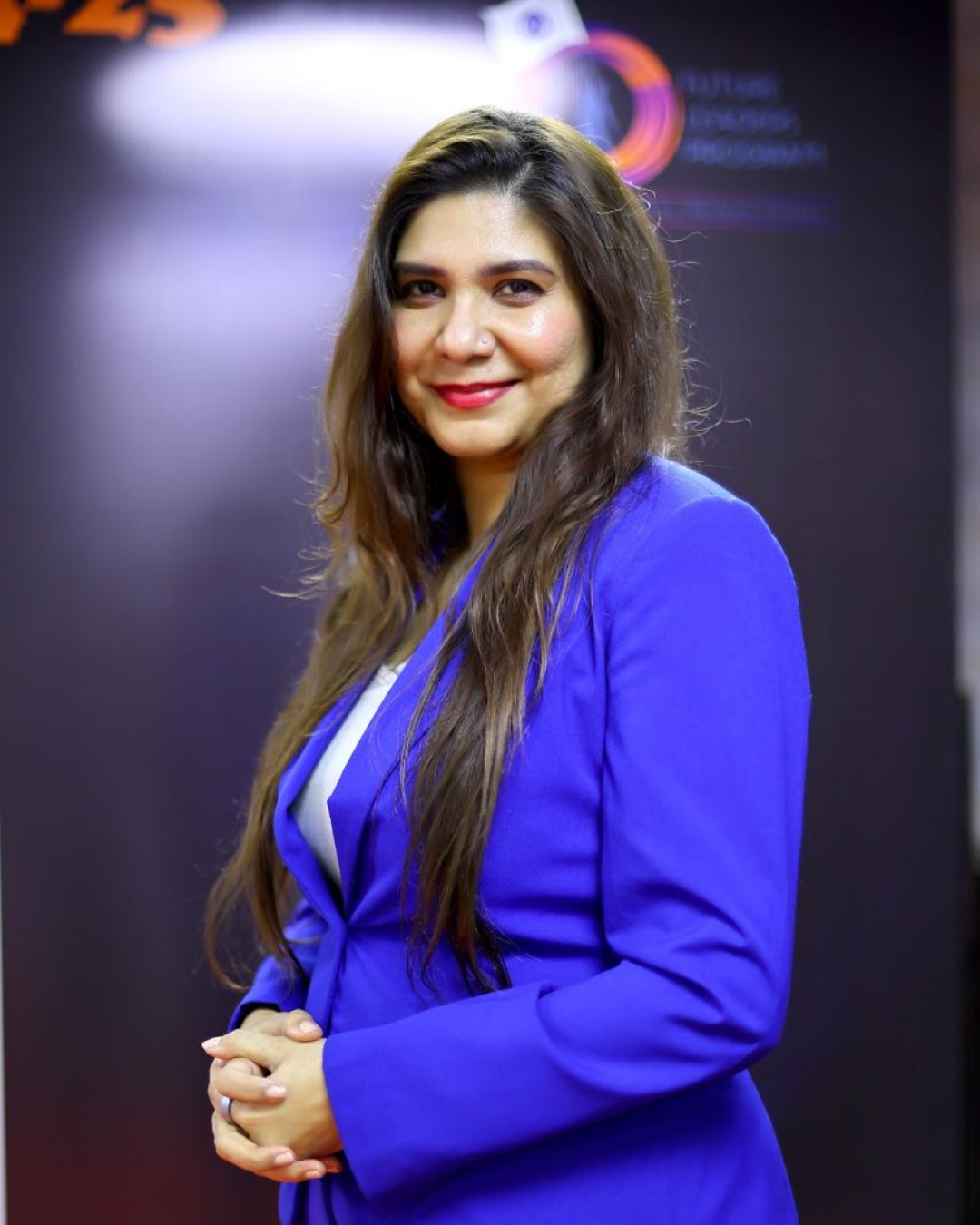
Bidisha Banerjee
ICF PCC-Certified Executive Coach · Author · Keynote Speaker
With over 25 years as a global CHRO and CLO, Bidisha now coaches mid-senior leaders navigating career transitions, executive presence, and leadership identity. Founder of RYSEN Coaching.
The next level won't wait — and neither should you.
Book a Discovery Session and find out exactly what's holding you back.
Book Your Discovery Session